For a long time, delivery tracking was treated as a “nice-to-have.”
As long as food reached the customer, everything else felt secondary.
But in 2026, that mindset is breaking down.
Restaurant brands today aren’t losing customers because food is bad or riders are slow. They’re losing customers because delivery feels unpredictable.
And unpredictability erodes trust faster than delay ever will.
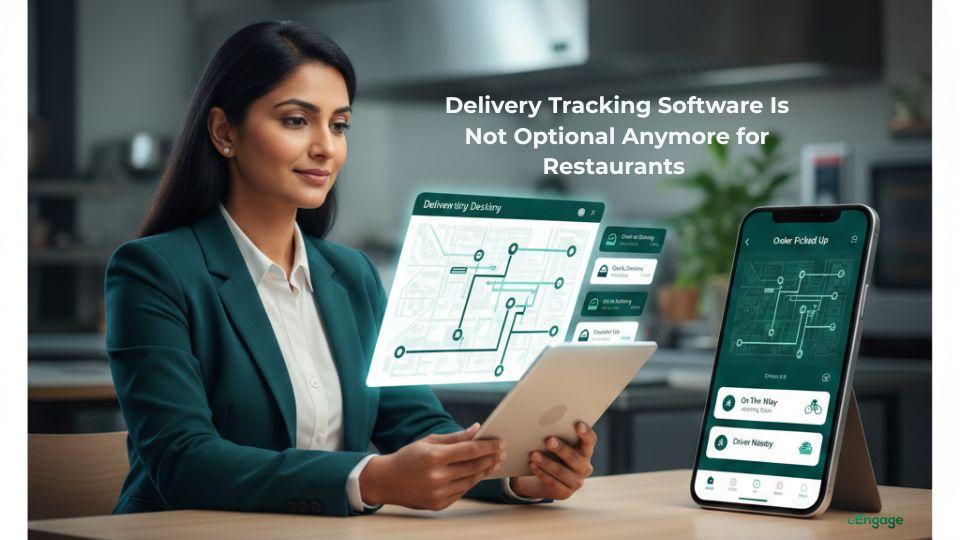
This is why delivery tracking software is not optional anymore for restaurants. It has become a core part of the customer experience, operational control, and long-term growth.
When Delivery Became a Brand Experience
Delivery used to be operational.
Now it’s emotional.
Customers don’t just ask:
-
“When will my food arrive?”
They ask:
-
“Can I trust this brand?”
According to consumer experience studies:
-
1 in 3 customers will not reorder after a poor delivery experience
-
60% expect real-time delivery updates
-
Brands that offer transparent tracking see 20–25% higher repeat orders
This shift has changed the role of delivery tracking software from backend tool to brand signal.
The Illusion of “We’re Delivering Fine”
Many restaurants believe they don’t need tracking software because:
-
Orders are being delivered
-
Complaints are manageable
-
Riders are “mostly on time”
But data tells a different story.
Hidden delivery issues often include:
-
Customers feeling anxious due to no updates
-
Support teams responding reactively
-
Managers discovering problems after damage is done
“Customers don’t complain about delivery delays as much as they silently stop ordering.”
Without delivery tracking software, restaurants operate in hindsight, not control.
Why Manual Tracking No Longer Works
In 2026, restaurants deal with:
-
Multiple delivery partners
-
In-house fleets
-
Peak-hour surges
-
Multi-location operations
Manual coordination via calls, WhatsApp, or spreadsheets breaks instantly at scale.
Operational gaps appear when:
-
Managers can’t see live delivery status
-
Riders lack clear navigation or updates
-
Customers receive no visibility
This is where real-time delivery tracking becomes critical.
What Delivery Tracking Software Actually Solves
Let’s clarify what modern delivery tracking software really does, beyond a map view.
1. Creates Predictability, Not Just Speed
Fast delivery is great.
Predictable delivery is better.
Customers value:
-
Accurate ETAs
-
Transparent updates
-
Fewer surprises
A reliable delivery tracking software ensures customers always know what’s happening, even if something goes wrong.
2. Reduces Support Load Automatically
Restaurants without tracking deal with:
-
“Where is my order?” calls
-
Last-minute escalations
-
Manual follow-ups
Brands using delivery tracking report:
-
30–40% reduction in delivery-related support queries
Visibility removes anxiety, for both customers and teams.
3. Gives Operations Teams Real Control
Tracking isn’t for customers alone.
Operations teams use delivery tracking software to:
-
Spot delays early
-
Reassign orders when needed
-
Identify bottlenecks
-
Hold delivery partners accountable
Control comes from seeing problems before they escalate.
4. Improves Rider Efficiency
Without tracking:
-
Riders wait unnecessarily
-
Routes are inefficient
-
Time is wasted
Live delivery tracking helps:
-
Reduce idle time
-
Improve route planning
-
Increase deliveries per rider
This directly impacts cost efficiency.
Why This Became Non-Negotiable in 2026
Three trends made delivery tracking unavoidable:
Rising Customer Expectations
Customers now expect the same visibility they get from ecommerce and logistics platforms.
No updates = broken experience.
Higher Delivery Volumes
More orders mean:
-
More complexity
-
Less margin for error
Tracking provides the visibility needed to scale without chaos.
Margin Pressure
Every failed or delayed delivery eats into margins.
According to restaurant ops reports:
-
Poor delivery visibility increases operational costs by 15–20%
Delivery tracking software helps protect margins by reducing waste and rework.
The Difference Between Tracking and Insight
Here’s an important distinction.
Basic tracking shows:
-
Where the rider is
Advanced delivery tracking software shows:
-
Why delays happen
-
Which routes fail most
-
Which partners underperform
-
What patterns repeat
This transforms delivery from a cost centre into a measurable performance layer.
Real Restaurant Scenario
A mid-sized restaurant chain struggled with:
-
Late deliveries during peak hours
-
Inconsistent customer feedback
-
High delivery partner dependence
They assumed the issue was rider shortage.
After implementing delivery tracking:
-
Delays were detected early
-
Support queries dropped
-
Customer trust improved
The number of riders didn’t change.
The visibility did.
How Smart Restaurants Are Using Delivery Tracking Today
Leading brands treat tracking as part of growth strategy.
They use it to:
-
Improve customer communication
-
Optimize delivery routes
-
Identify operational blind spots
-
Feed delivery data into retention and loyalty systems
This is why delivery tracking software is now tightly connected with broader delivery management platforms.
Where uEngage Flash Fits In
uEngage Flash approaches delivery tracking as part of a connected delivery ecosystem.
Instead of treating tracking as a standalone feature, Flash helps restaurants:
-
Monitor deliveries in real time
-
Maintain visibility across partners
-
Reduce delivery uncertainty
-
Align delivery performance with customer experience
Tracking becomes proactive, not reactive.
The Bigger Picture
Delivery tracking is no longer about maps.
It’s about:
-
Trust
-
Predictability
-
Control
-
Scale
“In 2026, customers don’t expect perfection.
They expect transparency.”
Restaurants that fail to provide that transparency will continue to lose customers quietly, even if food quality stays strong.
Final Thought
Delivery hasn’t become harder.
It’s become less forgiving.
In 2026, restaurants that grow sustainably understand one thing clearly:
Delivery tracking software is not optional anymore.
It’s the foundation of reliable delivery experiences.